Veterinary Physical Rehabilitation in The Woodlands, TX
Rehabilitation With a Purpose
Veterinary physical rehabilitation is an important part of helping pets recover from injury, manage chronic conditions and regain functional movement. However, effective rehabilitation involves more than completing exercises or using a particular piece of equipment.
At the Center for Veterinary Pain Management & Sports Medicine, every rehabilitation plan begins with a clear understanding of the condition affecting the patient. Our team considers the diagnosis, stage of healing, pain level, movement patterns, current abilities and long-term goals before recommending treatment.
Rehabilitation is then integrated with the other care a pet may need, including veterinary sports medicine, advanced diagnostics, pain management, interventional medicine and ongoing medical care.
What Is Veterinary Physical Rehabilitation?
Veterinary physical rehabilitation uses targeted movement, therapeutic exercise and physical medicine techniques to improve strength, mobility, coordination, endurance and overall function.
Programs are individualized for each patient. The needs of a canine athlete returning to competition are very different from those of a senior pet managing osteoarthritis or a patient learning to walk comfortably after surgery.
Our goal is not simply to complete a series of sessions. It is to help each pet make meaningful progress toward a safer, more comfortable and functional life.
Our Veterinary Rehabilitation Services
Therapeutic Exercise
The type and difficulty of each exercise are adjusted as the patient progresses.
Strengthening and Conditioning
Programs are advanced gradually based on the patient’s diagnosis, tissue-healing stage and response to treatment.
Neuromuscular Retraining
Neuromuscular retraining uses controlled movement and repetition to help improve body awareness, limb placement, motor control and functional movement patterns.
Balance and Coordination
Activities are selected according to the patient’s current abilities and are progressed safely over time.
Range-of-Motion Therapy
Range-of-motion therapy may include carefully prescribed active or assisted movements intended to maintain or improve mobility while respecting healing tissues and patient comfort.
Gait Retraining
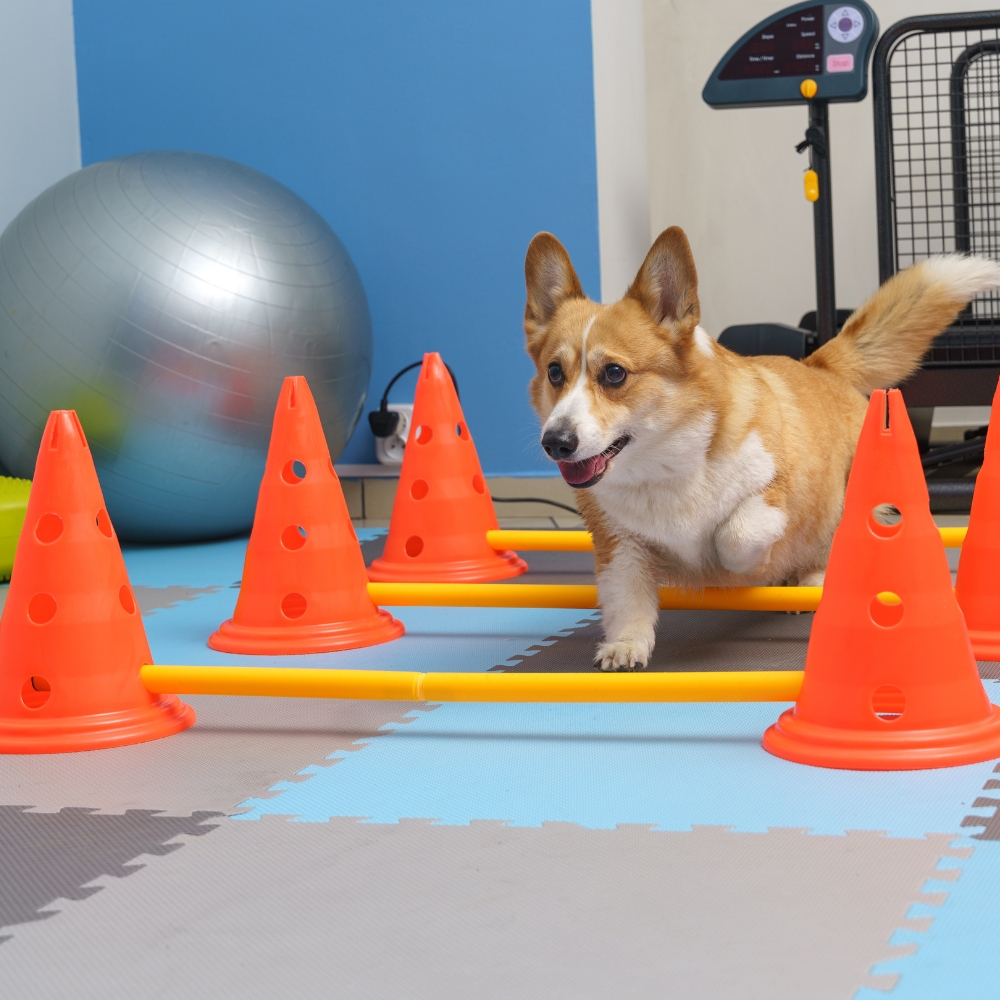
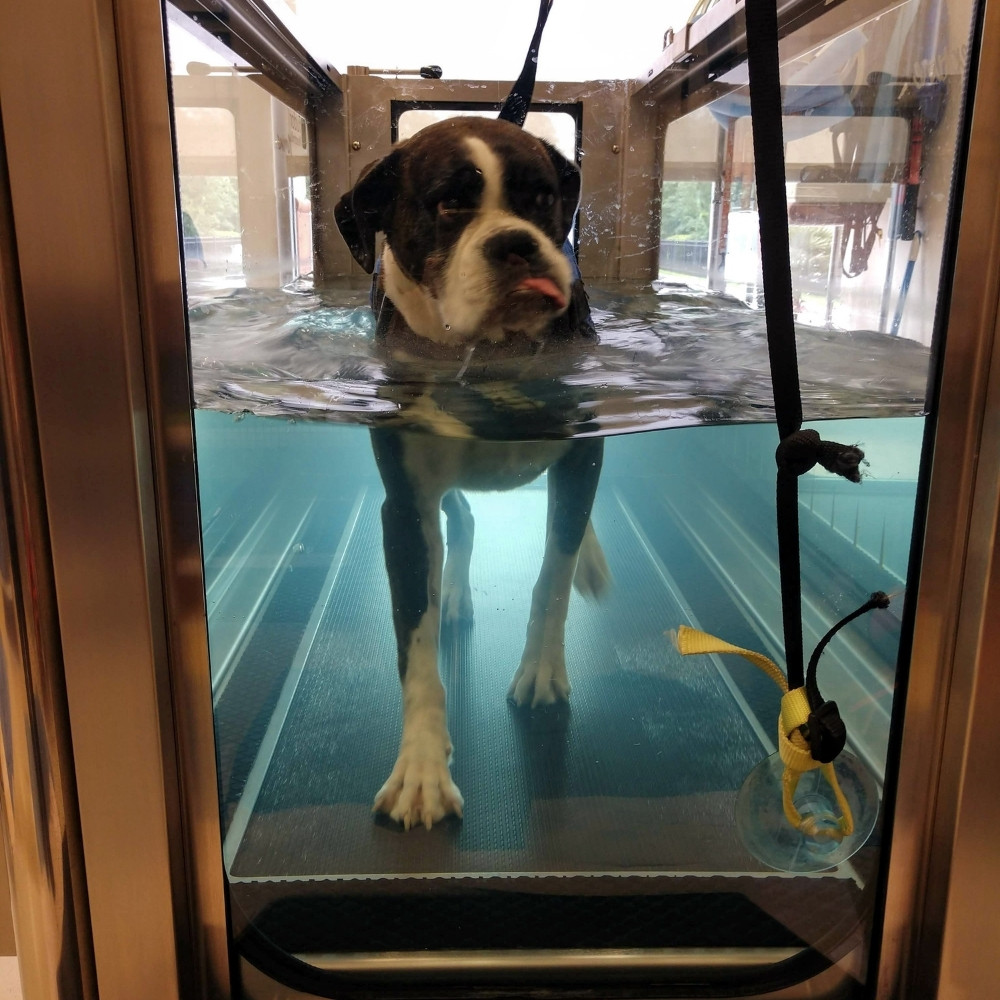
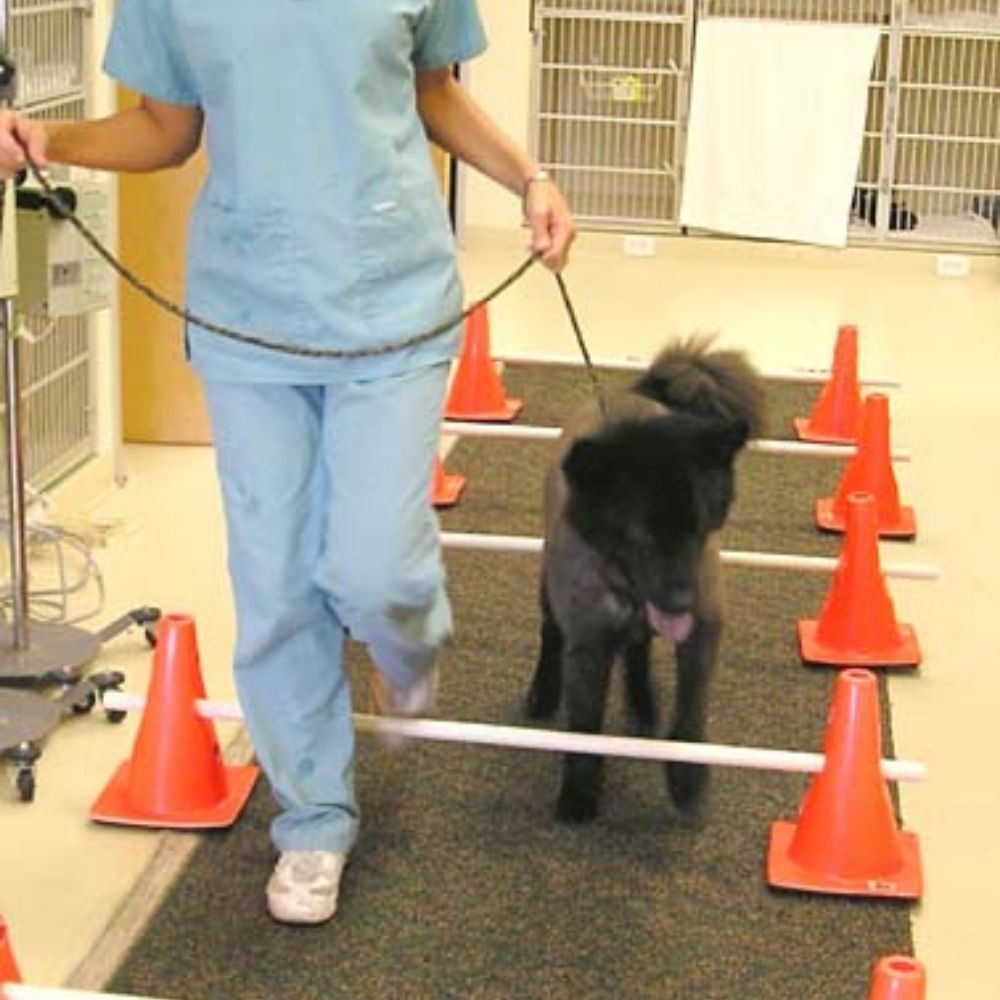
Gait retraining focuses on improving limb use, weight distribution, stride quality and movement efficiency. It may include controlled walking exercises, obstacle work, therapeutic equipment or aquatic exercise when appropriate.
Postoperative Rehabilitation
Postoperative plans are based on the procedure performed, the surgeon’s instructions, expected stages of tissue healing and the patient’s functional needs. Treatment may focus on comfort, mobility, muscle preservation, progressive strengthening and a safe return to normal activity.
Return-to-Function Programs
Returning to activity requires more than the absence of obvious pain. Pets must rebuild the strength, coordination, endurance and movement quality needed for their daily routines.
Return-to-function programs may be designed for:
- Pets returning to normal household activity
- Canine athletes preparing to resume training or competition
- Working dogs returning to occupational demands
- Active companions returning to hiking, running or play
- Senior pets working toward greater independence and mobility
Progression is based on functional readiness—not simply the amount of time that has passed.
Rehabilitation Should Begin With a Diagnosis
Pain, weakness, limping and reduced mobility are symptoms—not complete diagnoses. Similar symptoms may originate from a joint, tendon, muscle, nerve or spinal condition, and each requires a different approach.
Before developing a rehabilitation plan, our team may perform or review:
- Orthopedic and neurologic examinations
- Gait and functional movement assessments
- Previous medical records and diagnostic imaging
- Surgical reports and postoperative instructions
- Pain levels and medication response
- Strength, balance, coordination and range of motion
- The pet’s home environment, activities and performance goals
Additional diagnostic imaging or consultation may be recommended when the source of the problem remains unclear.
This diagnosis-first approach helps ensure that exercises and activities are appropriate for the affected tissues and the patient’s current stage of recovery.
Why Diagnosis Comes First
The same symptom can have many possible causes. Lameness may originate from a joint, tendon, muscle, nerve or spinal structure, while decreased performance may reflect pain, weakness, compensation or more than one condition.
Before recommending an interventional procedure, our team may use:
- A detailed orthopedic, neurologic and mobility evaluation
- Gait and functional movement assessment
- Review of previous medical records and treatment response
- Diagnostic ultrasound, radiographs, MRI or other advanced imaging when appropriate
- Discussion of the pet’s daily activities, sport, workload and quality-of-life goals
This diagnosis-first approach helps ensure that treatment is directed toward the structure most likely to be contributing to the problem.
Who May Benefit From Physical Rehabilitation?
Veterinary rehabilitation may be appropriate for pets experiencing:
- Orthopedic injuries
- Tendon, ligament or muscle injuries
- Neurologic conditions
- Osteoarthritis and chronic mobility changes
- Sports-related or repetitive-use injuries
- Recovery after orthopedic or neurologic surgery
- Muscle weakness or deconditioning
- Balance or coordination difficulties
- Persistent or recurring lameness
- Age-related changes in strength and mobility
- Difficulty returning to normal activity, work or sport
Not every pet requires the same type or duration of rehabilitation. Recommendations are individualized and adjusted as progress is measured.
An Integrated Approach to Recovery
Rehabilitation is a central component of our care, but it does not exist in isolation. Some patients may need additional pain control before they can participate comfortably. Others may benefit from advanced imaging, targeted interventional procedures or orthobiologic therapy before progressing through rehabilitation.
A comprehensive plan may incorporate:
- Veterinary sports medicine
- Pain and medication management
- Advanced diagnostics and MRI coordination
- Interventional medicine
- Orthobiologic therapy
- Therapeutic exercise and physical medicine
- Home-environment modifications
- Weight and conditioning recommendations
- Ongoing reassessment
By considering the entire patient—not just a single symptom—we can build a more focused plan for comfort, mobility and function.
What to Expect
Initial Evaluation
Individualized Treatment Plan
Guided Progression
Home Exercise Support
Reassessment
Rehabilitation for Canine Athletes and Working Dogs
Our return-to-performance approach may address:
- Sport- or task-specific movement
- Strength and cardiovascular conditioning
- Core stability and body awareness
- Movement efficiency
- Compensation following injury
- Progressive workload and exercise tolerance
- Readiness to resume training or competition
The goal is not simply to return the dog to activity, but to help them return with the strength and control required for their specific demands.
Rehabilitation for Senior and Arthritic Pets
Senior pets and pets with osteoarthritis may benefit from rehabilitation focused on maintaining strength, mobility, balance and independence.
Plans are adapted to the pet’s comfort, stamina and medical needs. Even small improvements—such as standing more easily, navigating the home confidently or enjoying longer walks—can be meaningful functional goals.
Collaborative Care for Referring Veterinarians
We welcome referrals for postoperative rehabilitation, neurologic recovery, complex orthopedic conditions, sports injuries, chronic pain and mobility concerns.
Our team reviews available records and imaging, develops an individualized rehabilitation plan and communicates relevant findings and progress with the primary or referring veterinarian.
Specialized Care for Movement, Mobility and Performance
The Center for Veterinary Pain Management & Sports Medicine combines specialized expertise in sports medicine, pain management, diagnostics and rehabilitation to care for pets with complex mobility and performance needs.
We serve pet owners and referring veterinarians throughout The Woodlands, Greater Houston and communities across Texas.
Frequently Asked Questions
Is veterinary rehabilitation the same as exercise?
Does my pet need a diagnosis before beginning rehabilitation?
How long will my pet need rehabilitation?
Can rehabilitation help if my pet does not need surgery?
Will my pet receive exercises to complete at home?
Help Your Pet Move Forward
Whether your pet is recovering from surgery, managing a chronic condition or working toward a safe return to activity, our team can create a rehabilitation plan based on their diagnosis, needs and goals.